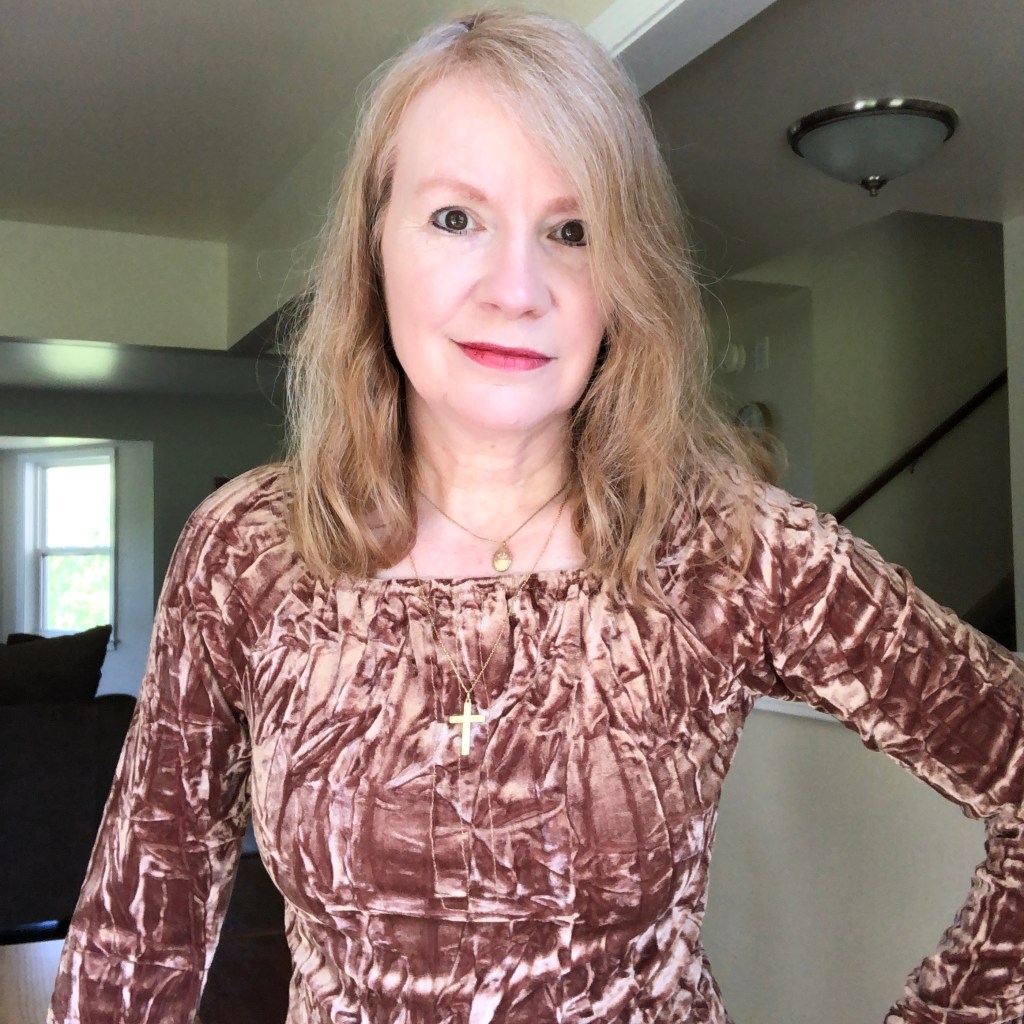
My interview today is with Michigan author Brenda Morgan. I’ve known who Brenda is because she lives just down the road from me. However, until we met up at a library event, I wasn’t aware that she is also a published author. I’ve invited Brenda to be my guest today to find out more about her journey and her latest book.
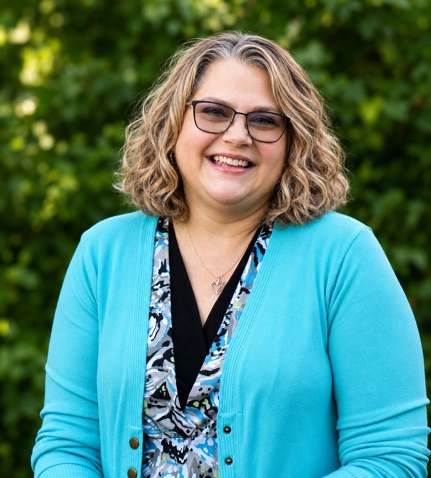
Brenda, thank you for joining me today. Tell us a little bit about yourself.
I’m Brenda Morgan, a Michigan-based suspense and psychological thriller author who loves writing stories about strong women overcoming impossible situations. Before becoming an author, I spent more than ten years as a teacher, and now I balance writing with helping my daughter run her candle business, Candles by Madison, and babysitting my granddaughter.
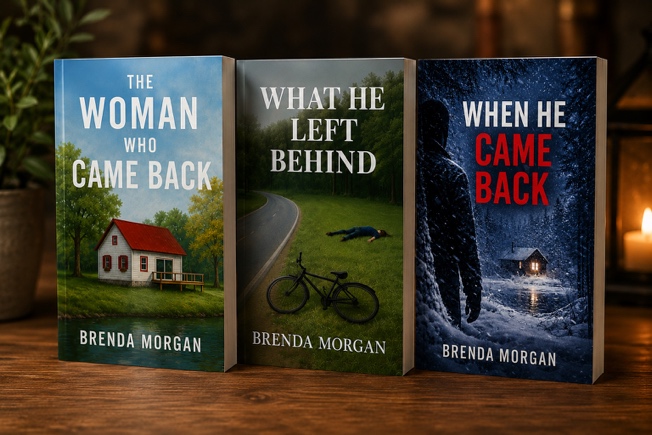
I’m the author of The Woman Who Came Back and What He Left Behind, with my third novel, When He Came Back, on the way. My books are set in small-town Michigan and combine emotional storytelling, suspense, mystery, and psychological twists. When I’m not writing, you can usually find me with a cup of coffee, spending time with my family, or curled up with one of my pets and a good book.
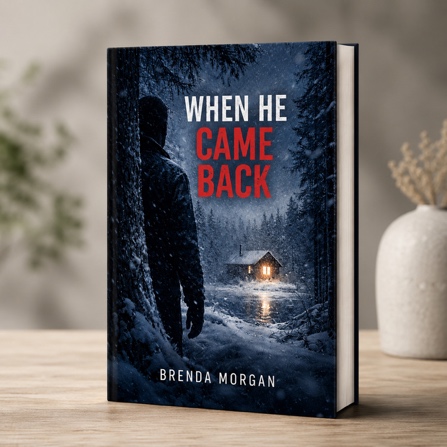
We’re here to talk about your newest book, When He Came Back. What is your book about?
When He Came Back is the third book in my suspense series that began with The Woman Who Came Back and continued with What He Left Behind. The new novel brings together characters from both previous books as past trauma, hidden secrets, and unfinished battles collide.
After surviving years of captivity in the first book, Liz believed her abductor was finally behind bars for good. But when he escapes before sentencing, fear returns stronger than ever and the people closest to Liz become targets. Joined by Krista and Detective Charlie—characters readers first met in What He Left Behind—the group must work together to stop a man determined to destroy the lives they fought so hard to rebuild.
Now for some questions that my readers like to ask:
What was the catalyst for your interest in writing?
What first sparked my interest in writing was actually teaching. I loved teaching, but it could also be very stressful, and many nights I had trouble falling asleep because my mind was still going. To relax, I would make up stories in my head while lying in bed. Each night, I’d continue building on the story I had imagined the night before, adding new scenes and ideas as I went along.
At the time, they were pretty simple and still just the skeleton of stories, but that’s really where my writing began. Even now, I still have several story ideas written down as short summaries waiting to someday become full novels.
After I retired from teaching, I read books by a few local indie authors and started wondering if maybe I could write one too. At first, I only told a few close family members because I honestly wasn’t sure if I could do it. But once I finished my first book and shared it with others, people were surprised by what I had created—and that gave me the confidence to keep writing.
Do you reward yourself when a book is finished? If so, what is your favorite treat?
I do reward myself when I finish a book, but it usually isn’t with food or a special treat. Instead, I completely rearrange my office. About two-thirds of the way through writing a book, I always seem to get restless with my workspace and start wanting a change.
Once the book is finished, moving everything around and creating a fresh setup feels like a reset before starting the next project. Since I spend so much time in my office writing, having a cozy and inspiring space is important to me, and changing it up always feels rewarding after finishing a manuscript.
Were there any surprises that came up as you wrote your story?
There are always surprises when I’m writing. I usually begin with an ending in mind and include it in my outline, but by the time I reach the final chapters, the ending is often completely different from what I originally planned. Sometimes it changes so much that it barely resembles the first idea at all.
With When He Came Back, the ending evolved in a major way as I wrote. I also had conversations with readers of my first two books, and hearing their thoughts, theories, and hopes for the characters really inspired me. I love listening to what readers connect with and what they would like to see happen next. While I still stay true to the story I want to tell, those conversations definitely helped shape parts of the book—especially the ending.
Who was your favorite character to create?
My favorite character to create has been Liz. She was the main character in The Woman Who Came Back and returns as one of the central characters in When He Came Back. When I finished writing my first book, I never planned for her story to continue beyond that novel.
While writing my second book, What He Left Behind, I realized the characters were in the perfect town and situation for Liz to naturally appear, so I decided to bring her back for a small part in the story. After that, I discovered that readers loved and missed Liz just as much as I did, and many asked if they would ever get more of her story. That ultimately inspired the idea for When He Came Back.
Liz has become a character that feels very real to me, and as long as I continue writing books in this series and setting, I think she will always find a way to appear.
Are you a plotter or a pantser?
I’m probably a mix of both. I usually start with a basic outline of where I think the story is going and the major things I want to happen. It’s not overly detailed, but it gives me direction and helps me feel more organized before I begin writing.
Once I start writing, though, the story tends to take on a life of its own. Things happen sooner or later than I originally planned, scenes get removed, and characters sometimes change completely. In What He Left Behind, Kevin was originally supposed to be a good guy, but as I wrote, his character evolved into someone very different.
For me, writing is almost like watching a movie play out in my mind while I type. The story unfolds scene by scene, and I discover parts of it alongside the characters. When I get stuck, I go back to my outline, adjust it to fit the changes I’ve made, and keep moving forward. By the end, the story has usually transformed quite a bit from where it originally started—and that’s one of my favorite parts of the process.
What does your family think of your writing?
My family has been incredibly supportive of my writing journey. My husband and I were both teachers for many years, and he has become one of my biggest supporters by helping with editing and proofreading my books. My daughter also plays a huge role by helping with marketing, social media, and encouraging me every step of the way.
I’m also very lucky to have other family members willing to read my work before publication. My mom, sister-in-law, cousin, mother-in-law, and several others have all helped by proofreading, editing, and giving honest feedback about different parts of the story. Having that kind of support system has meant so much to me as an indie author.
Do you experience writer’s block?
So far, I really haven’t experienced writer’s block. I think part of that is because I always have an outline to fall back on if I get stuck or need direction. Most of the time, my challenge isn’t a lack of ideas—it’s finding enough uninterrupted time to write.
I babysit my granddaughter most days, so my writing time during the week can be limited. I’m not much of a morning person or a night owl, so daytime is usually when I write best. Whenever possible, I try to carve out longer stretches of writing time on weekends because I love becoming completely immersed in the story. Those are the moments when the book really comes alive for me and the scenes play out almost like a movie in my mind.
Brenda, thanks again for being my guest.
What’s next for you as an author?
After the release of When He Came Back, I plan to continue expanding the series and following several of the characters readers have connected with throughout my books. While Liz and her family will still appear, future stories will focus more heavily on Krista, Charlie, Nick, and new characters as they investigate crimes and uncover secrets in small-town Michigan communities.
I’m excited to continue blending suspense, emotional storytelling, and psychological twists while creating strong, realistic characters readers can grow with from book to book. My goal is to keep building a connected world where each story can stand on its own, but longtime readers are rewarded by seeing familiar faces return and evolve over time.
Where can our readers find out more about you?
Readers can find me online through my Linktree: https://linktr.ee/BrendaMorganAuthor It’s the main hub for everything related to my books, including my website, social media pages, places to purchase my novels, and links to leave reviews. It’s the easiest way to stay connected and follow along with new releases and updates.
BUY LINK TO AMAZON: